Following an annual cycle of conferences and thematic visits focused on The Piece of the Month, the National Archaeological Museum (MAN), in collaboration with Delonia Software, has published the book The Lives of Objects. Reuse, Appropriation, and Recycling.
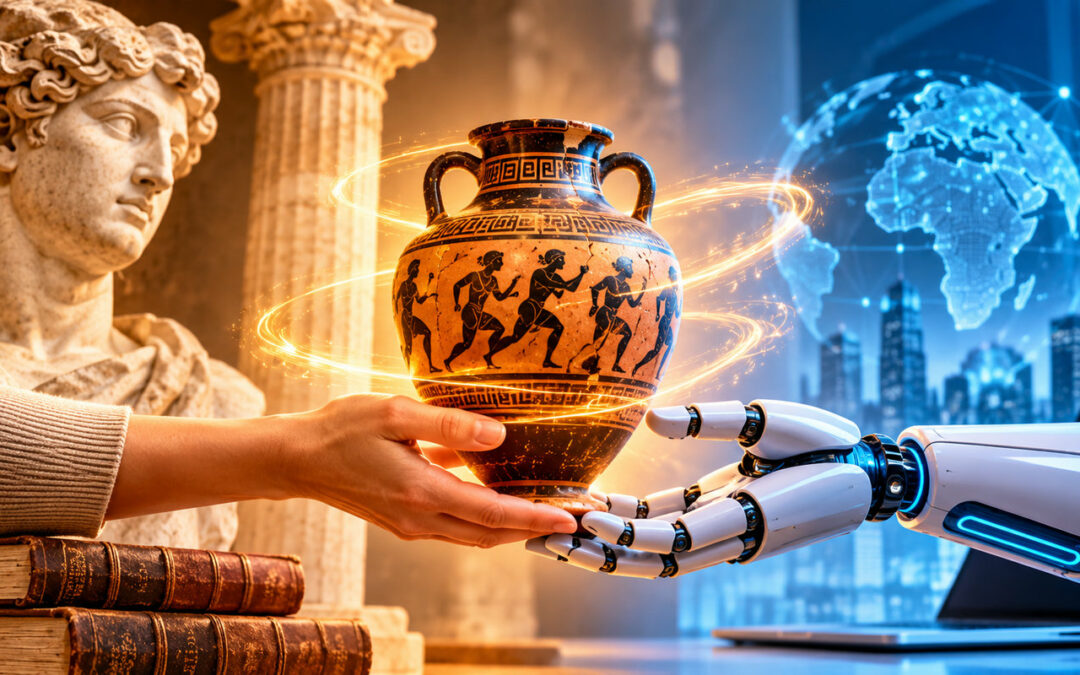
We find ourselves in a time and place where our thoughts and actions are directed toward the future, striving to digitize, change, and modernize business processes, and even considering the substitution of people with artificial intelligence. We must not forget the origin of all this: history and culture.
This is not about looking backward, but rather about broadening our perspective. It is about integrating into our reasoning both what was done to reach the present day and what can be done to make tomorrow better. It means learning from history, valuing those who innovated before us with more difficulties and fewer tools, and who gave us what we take for granted today.
We find the dichotomy forced upon young people in Spain —having to choose between “sciences or arts“— to be unfair, as it condemns future professionals to being ignorant in neighboring fields. Just as mathematics is essential in any professional or intellectual pursuit, history and art are equally so. In fact, there is a bit of art in every project we undertake, or at least we like to believe so.
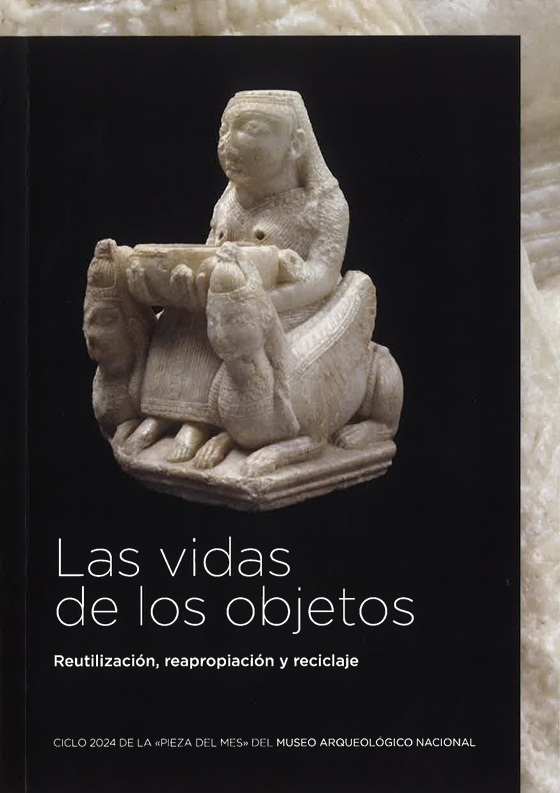
Our relationship with the National Archaeological Museum (MAN) is accidental, but not fortuitous. Its scientific approach, its connection to history, and the material legacy of past cultures are impressive. It encompasses a vast period of human history up to the present day. What better way to invent the future than by learning from the past, from its successes and, above all, its mistakes.
This year’s collaboration agreement has made the publication of this book possible, and we hope it will be the first of several initiatives we will undertake with this and other cultural institutions in 2027 and beyond.
Things have a life of their own: it’s all a matter of awakening their soul (Gabriel García Márquéz)
The book The Lives of Objects revolves around three key concepts::
- Reuse: The object continues to be used over time, far beyond the culture that created it.
- Appropriation: A new culture takes an object from the past and gives it a different meaning (such as turning the Mosque of Córdoba into a Cathedral).
- Recycling: The raw material of an object is melted down or destroyed to give life to a new material entity (such as melting Roman glass to create new pieces).
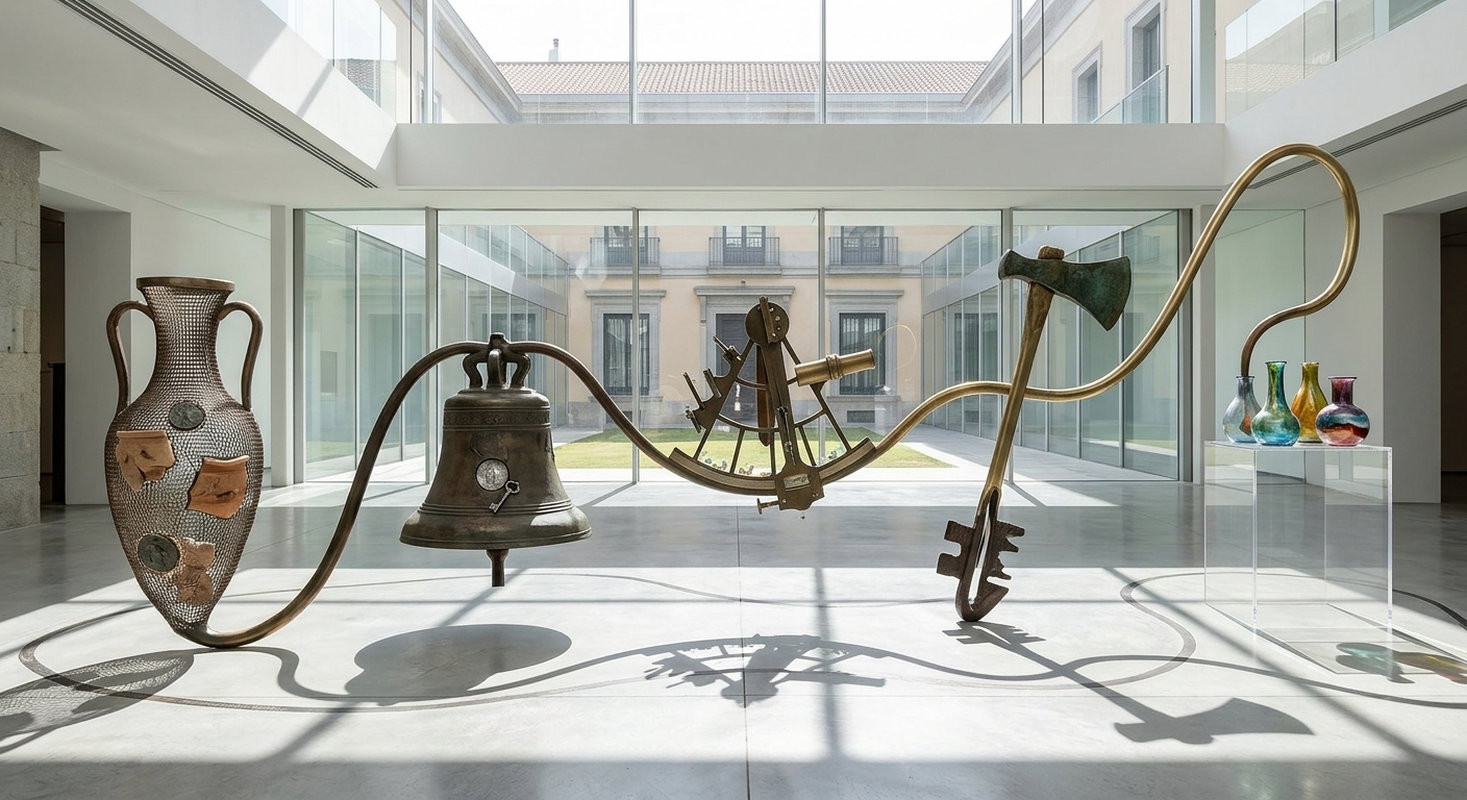
Throughout the work, it becomes clear that the concepts of sustainability and material transformation are not modern inventions; rather, they have guided humanity from its origins.
- The “cultural biography” of objects: Objects do not simply come into being and perish in a single historical moment. An amphora also represents the hands through which it passed, the places where it was used, and the various purposes it served.
- Recycling as a historical necessity: Scarcity of resources has always compelled people to recycle. Melting down bronze statues to forge tools or coins was a common practice..
- Architectural reuse (spolia): Incorporating architectural elements from the past —such as columns, reliefs, and capitals—i nto the construction of new buildings.
- Change of meaning: Amulets from pagan eras (Egyptian, Roman, etc.) transformed into Christian relics.
- Transformation through obsolescence: An obsolete object is not necessarily thrown away. Notched Roman swords ended up transformed into domestic knives.
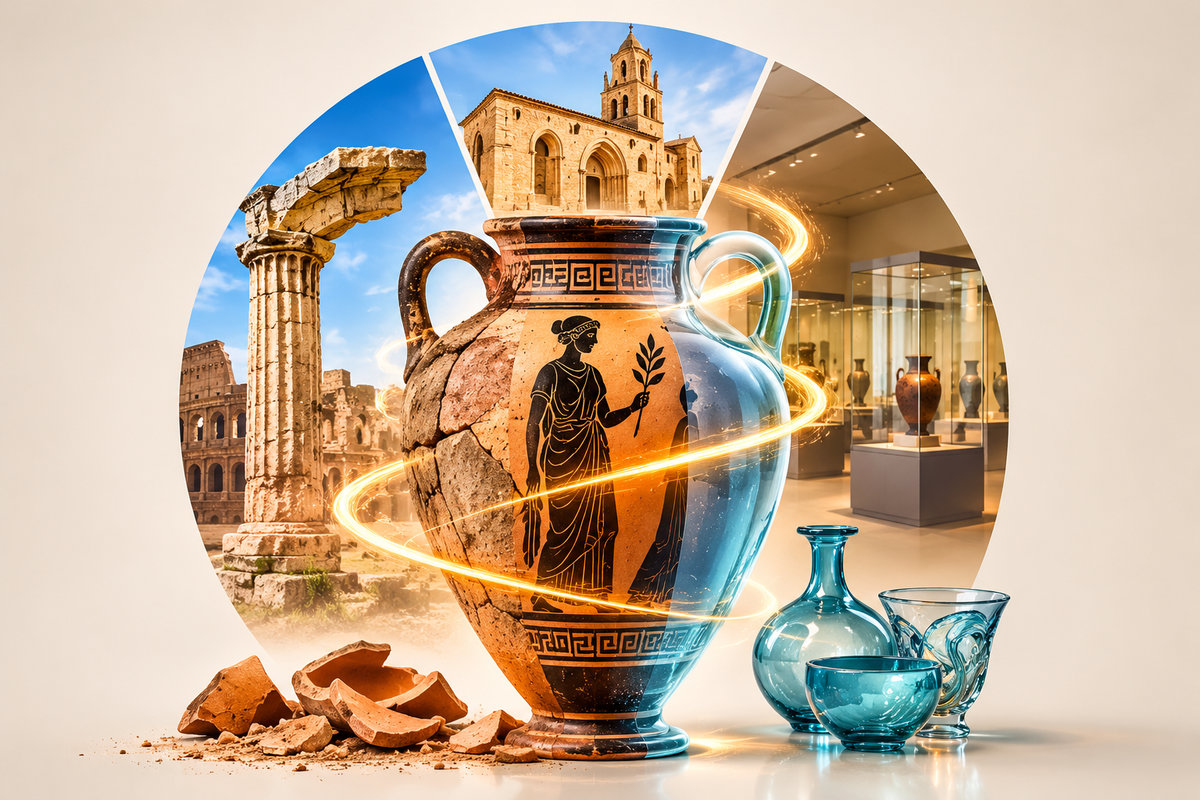
- The value of the fragment: A broken piece is not a “damaged object,” but rather a rich source of information.
- Objects as spoils of war: The capture of treasures and their subsequent exhibition or transformation within the culture of the winning side functioned as a mechanism of political propaganda.
- Sacralization and desacralization: Objects belonging to one religion were stripped of their divinity (desacralized) to be blessed under new dogmas (resacralized). This occurred with the conversion of Roman temples into Christian churches.
- Material memory: Modified objects rescue the history of the working classes. An example is how women transformed old textiles into new garments.
- The “static showcase” of museums: The danger of freezing objects in time. When the National Archaeological Museum (MAN) exhibits a piece, it should not only state “this is from the 3rd century BC,” but also explain what happened to it in the 2nd, 5th, and 12th centuries.