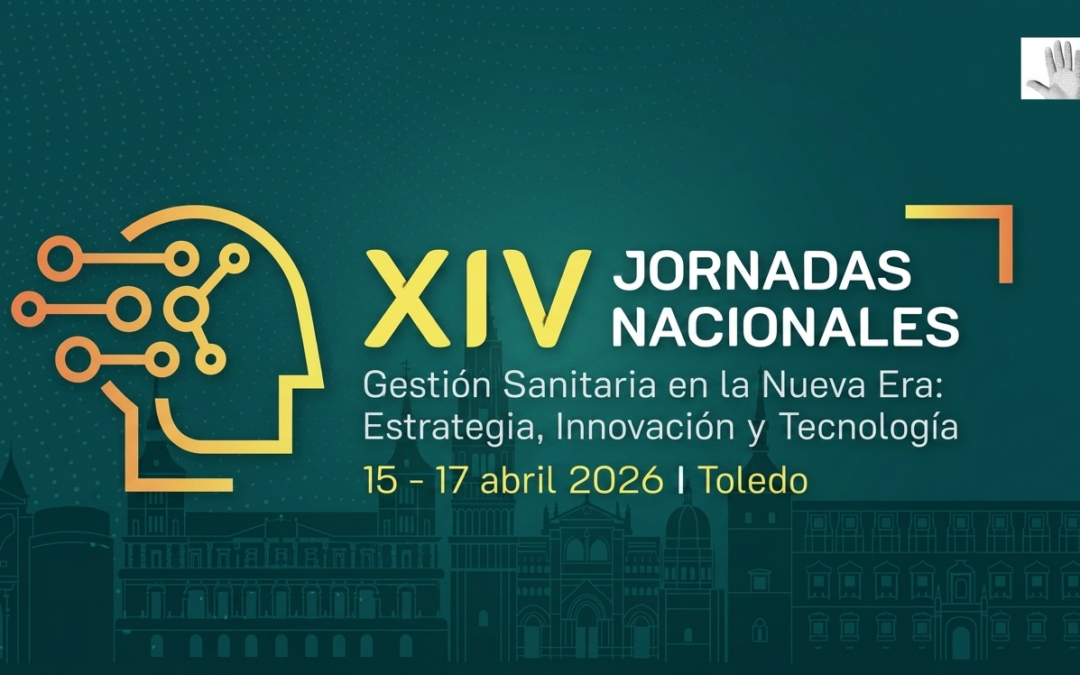
From April 15 to 17, 2026, Toledo hosted a key event on healthcare management in Spain. Under the slogan “Healthcare Management in the New Era: Strategy, Innovation and Technology“some 2,000 managers drew up a plan in which innovation is central to healthcare results. The Innova Red Salud forum connected high policy with technical execution.
1. The innovation map: system priorities
The update of the Map of Innovation Needs in Hospitals in Spain included executives from 40 centers, including three SESCAM hospitals. The report identifies five current priorities.
- Digital health and AI.
- Telemedicine and remote monitoring.
- Personalized medicine and advanced therapies.
- Robotics and clinical support.
- Organizational innovation and process transformation.
As pointed out by José Soto Bonel (president of SEDISA), Spain is in a transition phase where the challenge is no longer to test the technology, but to “scale it up and make it sustainable”.
2. Governance and Humanism: Beyond Technology
The institutional inauguration was attended by important figures such as Juan Fernando Muñoz (Secretary General for Digital Health) and several Health Councilors. César Pascual (Cantabria) issued a necessary warning:“Governance cannot be 20th century for 21st century problems“. For her part, María Hoyos Vázquez (President of the Conference) stressed that this meeting is a “pact for good management” that must integrate strategy and humanity.
Candela Calle and Julio Zarco endorsed “affective-transformational” leadership that applies values to care, integrating the patient experience (PROMs and PREMs) as a strategic input.
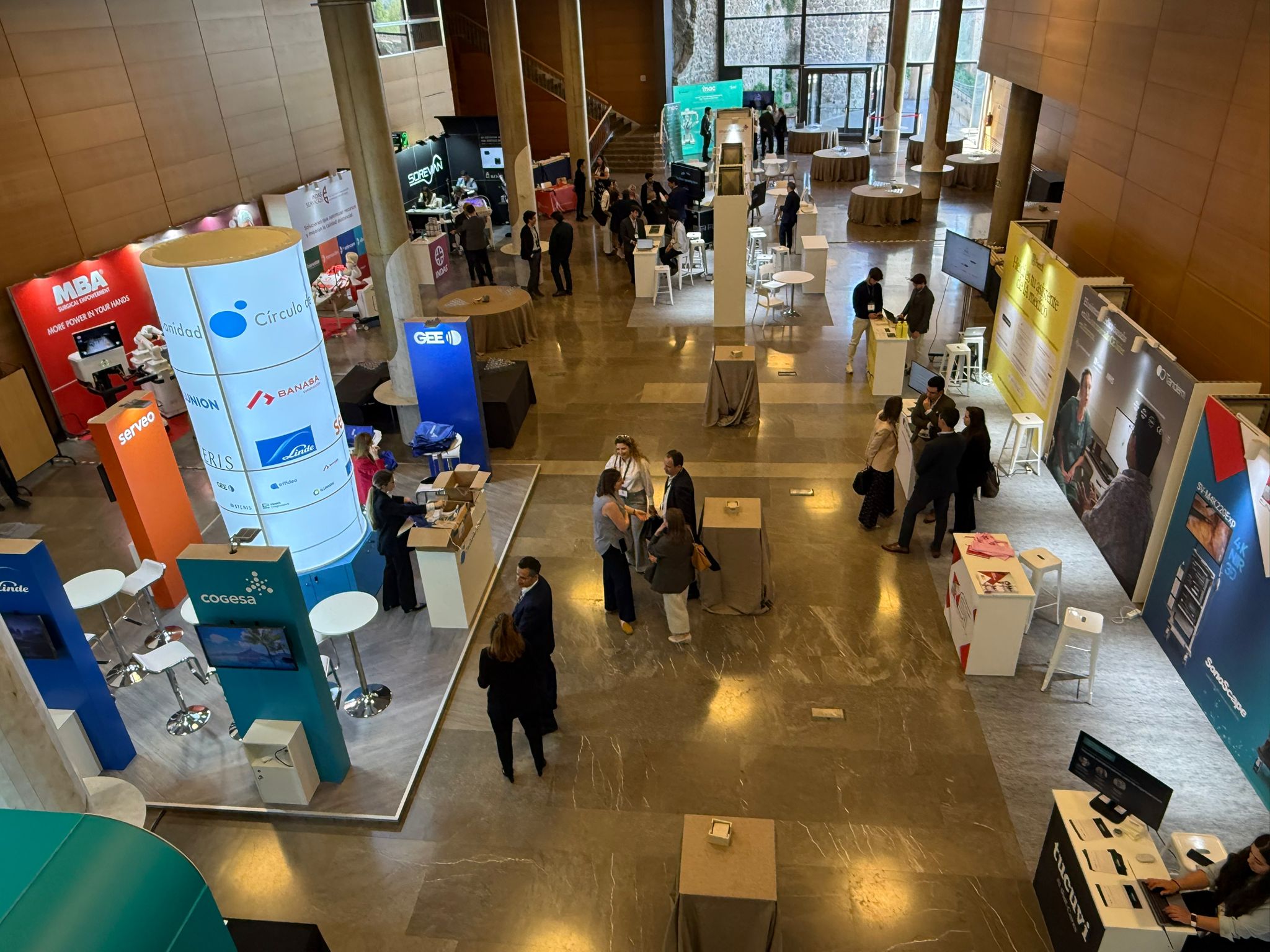
3. The technical challenge: from PERTE to the Single Clinical Station
The national vision was presented by Raquel Yotti (PERTE Commissioner), who highlighted Spain’s potential to position itself as an international benchmark in biotechnology, provided that an effective integration of the capabilities currently dispersed among the different territories is achieved.
In hospital practice, this integration challenge was analyzed by Raúl López (Gregorio Marañón Hospital) and Bernardo Valdivieso (GVA), who pointed out the difficulty of synchronizing the immediacy of care with long-term innovation. The solution, according to Cayetano Fuentes Organero (CLM Digital Agency), is a unified technological architecture that enables the Single Clinical Station, where information accompanies the patient without interruptions.
4. Infrastructure and General Services 5.0
A disruptive block was dedicated to the technological life cycle. Ana Cabrero López (Community of Madrid) and Pablo Crespo (Fenin) urged us to stop seeing the hospital as a building and see it as a dynamic service. Technology should be planned from the initial design of the infrastructure, not as an afterthought.
Luis Miguel Carretero and Antonio García Blanco (SESCAM) highlighted General Services 5.0: advanced logistics and energy management are essential to optimize costs, guarantee patient safety and ensure sustainability.
5. Delonia: the operational execution of change
- Digital transformation consulting and advisory services: based on our experience in the sector, knowledge of new technologies and a practical and realistic approach, we help public and private healthcare entities to define and achieve their digitalization objectives.
- Legacy Systems and Migration: Delonia provides technical solutions to close legacy systems, ensuring the integrity of historical information and eliminating silos that hinder innovation.
- ICD-11 coding: so that AI and precision medicine (mentioned by Belén Pérez of IMPACT-Genomics) are effective, the data must be structured. Delonia is leading the transition to the ICD-11 standard, ensuring that the clinical language is universal and interoperable.
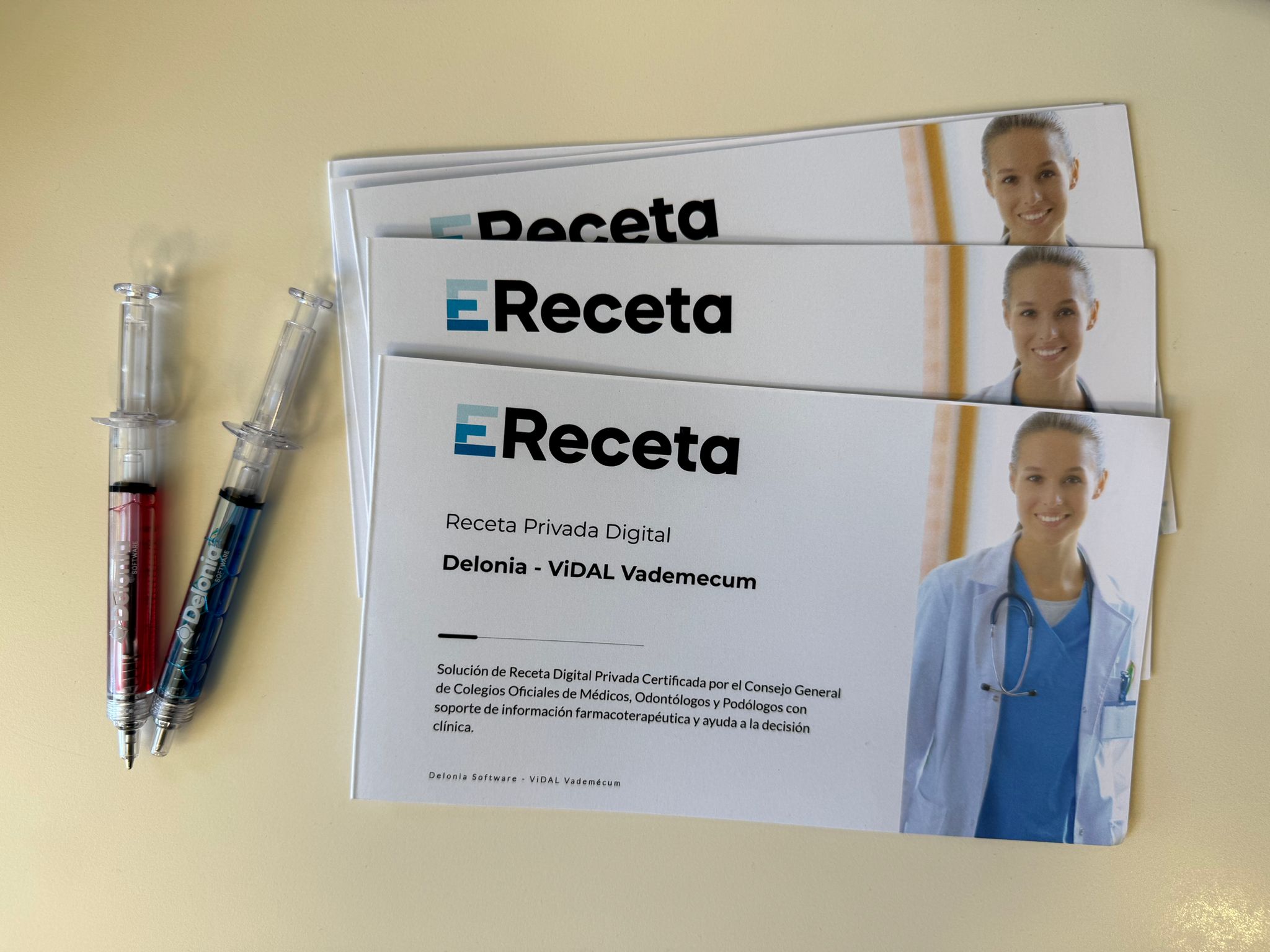
- Digital Private Prescription: while the forum was discussing public digitization, Delonia provided a necessary solution for the private sector: its Homologated Digital Private Prescription, which eliminates the risks of paper and professionalizes prescribing throughout the healthcare ecosystem.
Conclusion: a value-oriented system
The conference concluded with the presentation of awards and the closing ceremony byJesús Fernández Sanz (Minister of Health of CLM). Toledo 2026 leaves a clear message: healthcare management is no longer a support, it is the engine of change. The combination of a professionalized management leadership and the support of technological allies such as Delonia is what will enable the “New Age Healthcare” to become a reality.New Age Healthcare“characterized by efficiency, safety and a human approach.