
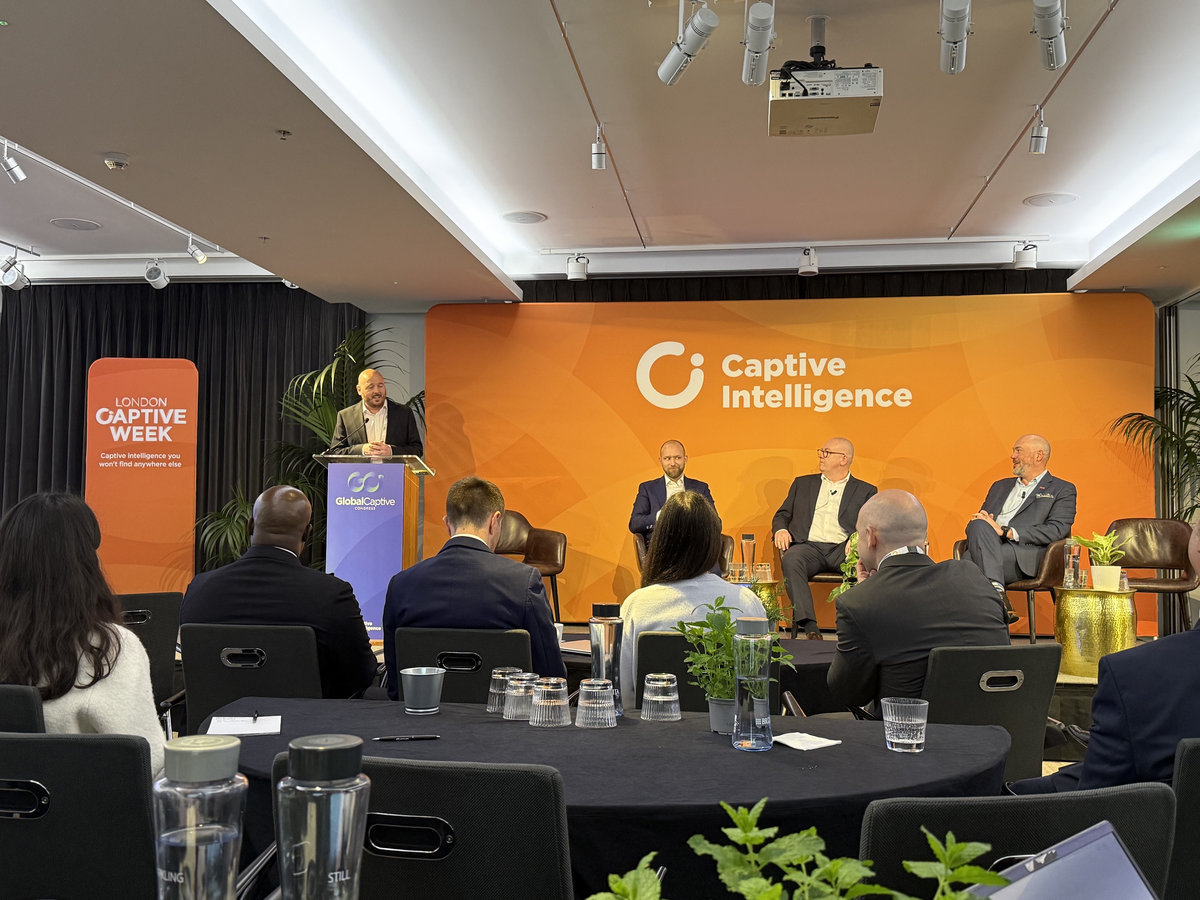
Organized by Captive Intelligence, London Captive Week brought together more than 500 professionals in a new format designed to foster specialization and networking. The event gathered companies, reinsurers, brokers, and industry providers, and featured a dedicated space for organizations currently evaluating or taking their first steps in Captives and Employee Benefits.
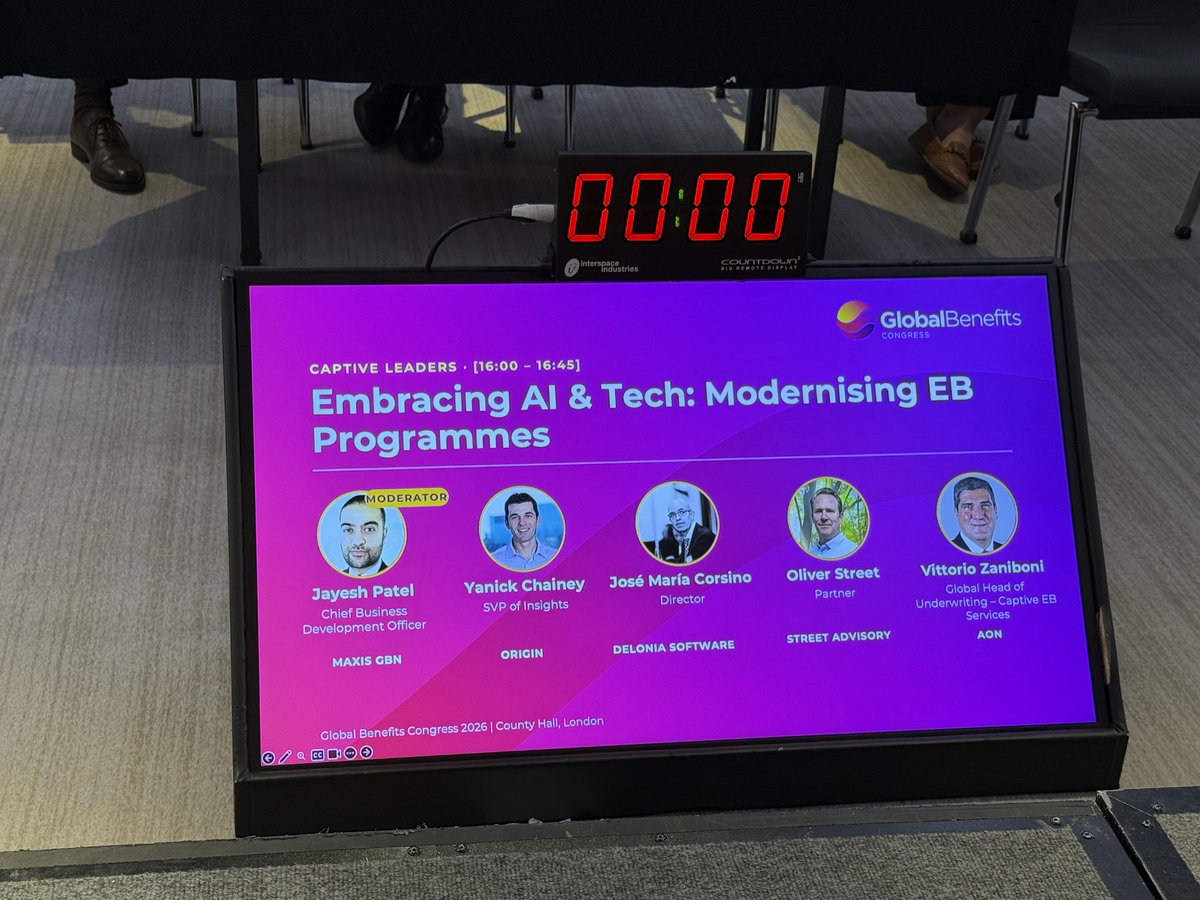
Delonia Software not only sponsored the event but was actively represented by José María Corsino, Partner at Delonia, who participated in the panel discussion titled Embracing AI & Tech: Modernising EB Programmes.
The sessions highlighted two major trends: the strategic role of Captives in risk management and the new challenges facing global Employee Benefits programs. In both areas, AI and data analytics act as drivers of transformation, provided they are implemented with proper risk management.
Global Captives: Risk Management, Data, and New Opportunities
The Global Captives sessions confirmed that Captives have evolved beyond their traditional role of financing and controlling risks to become strategic tools for risk identification, analysis, and management.
A new opportunity lies in offering insurance products to third parties, expanding the scope of the model and opening up new business avenues.
Collecting, structuring, and analyzing data improves risk assessment, optimizes costs, and supports more informed decision-making. AI can accelerate these analyses and automate processes, but it must be implemented with caution—weighing opportunities against risks and maintaining human oversight (Human in the Room).
Employee Benefits: Cost Pressure and Data Transformation
Medical inflation remains a key challenge, exacerbated by the rise in high-cost claims linked to cancer, cardiovascular diseases, and innovative treatments such as gene therapies and GLP-1 medications.
This scenario is driving greater interest in integrating Health and Pension coverages into employee benefits strategies, aiming to control expenditure while delivering greater value to employees.
The lack of homogeneous and structured data across providers, insurers, and countries remains an obstacle. AI can normalize this information using standards such as ICD-10 and ICD-11, facilitating comparison, cost analysis, and trend identification.
Artificial Intelligence: Opportunities, Risks, and Organizational Readiness
Our participation in the AI-focused session allowed us to dive deeper into the practical applications of this technology and the conditions required to adopt it responsibly.
AI accelerates tool development, simplifies routine tasks, and enables process automation involving large volumes of information. Furthermore, it facilitates proof-of-concept testing with less time and resources, as well as data analysis, provided the data meets the necessary quality standards.
Adopting AI requires protecting privacy and complying with regulations, especially when handling health data. It also demands limiting vendor lock-in, strengthening cybersecurity, and assigning clear accountability for potential failures.
To address these challenges, organizations must embed procedures and controls into their compliance frameworks, train teams in cybersecurity, and establish a governance model that ensures safe and supervised AI usage.
Business continuity is also essential. Companies must prepare for service disruptions or vendor changes, retain critical knowledge internally, and document processes to guarantee operational continuity without relying on a single external platform.
Conclusion
Captive Week underscored the importance of optimizing costs, improving risk management, and leveraging data. AI offers new opportunities, provided it is implemented responsibly, securely, and in alignment with business objectives.